How and Where to Catch Live Bait
Pinfish, finger mullet, shrimp, mud minnows, and other natural bait can make a slow day turn around fast.
Live bait works because it looks, smells, and swims naturally. Around the Texas coast, bait like pinfish, finger mullet, piggy perch, shrimp, and mud minnows can catch trout, redfish, flounder, black drum, sheepshead, snapper, and more.
Simple rule: match what the fish are already eating. If mullet are flipping, use mullet. If pinfish are thick in the grass, use pinfish.
Where to Find Live Bait
Bait gathers around food, cover, current, shade, and shallow edges. Look before you throw or seine.
Quick Signs of Bait
- Nervous water or V-wakes
- Flipping or showering bait
- Birds working low over the water
- Bait stacked along current seams or shoreline edges
How to Catch Pinfish
Pinfish are hardy, easy to keep alive, and excellent for trout, redfish, flounder, snapper, and bigger predators.
Where to Look
- Grass flats and potholes
- Docks, pilings, marinas, and bulkheads
- Rock edges and fish-cleaning areas
Best Methods
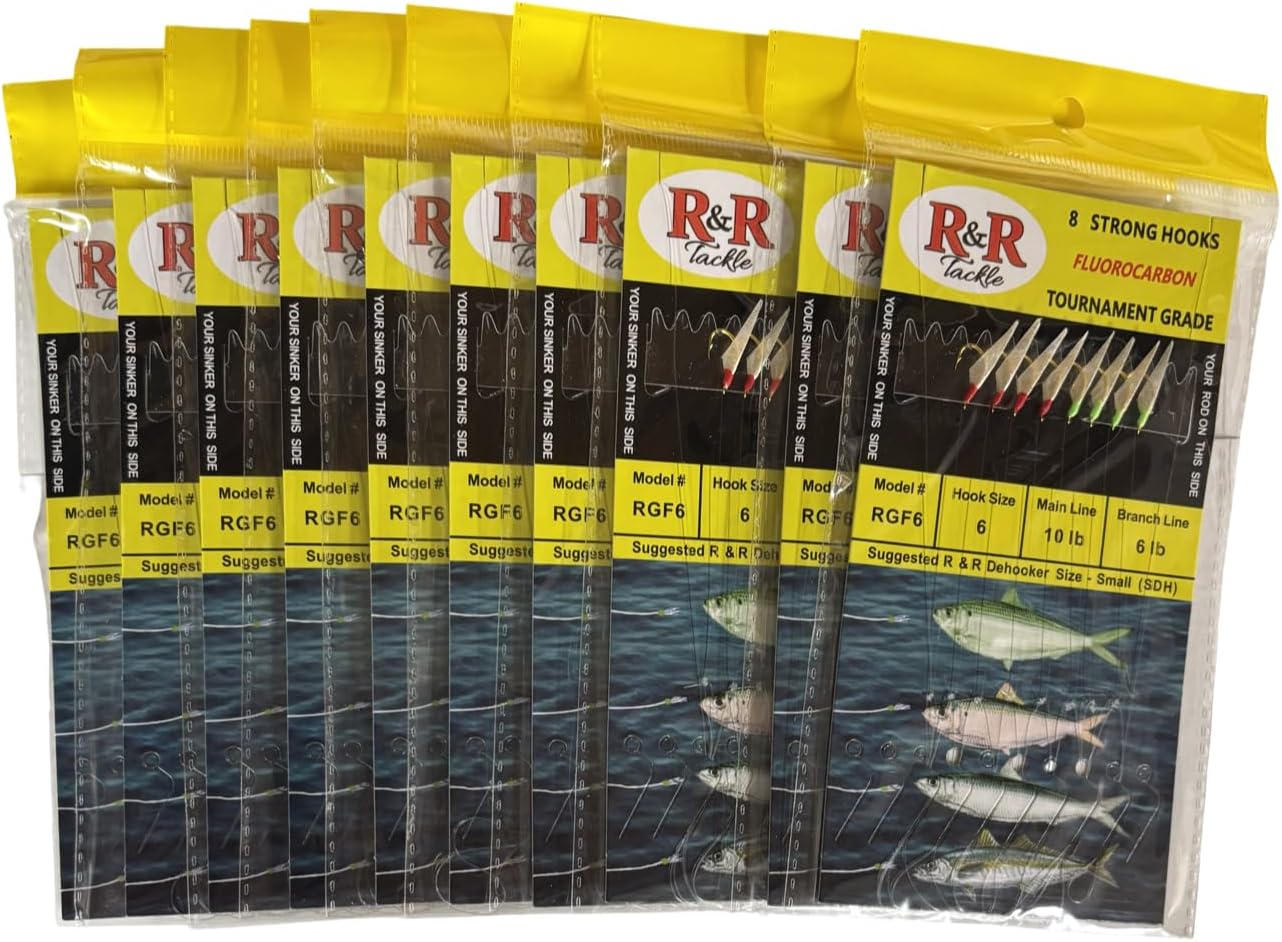
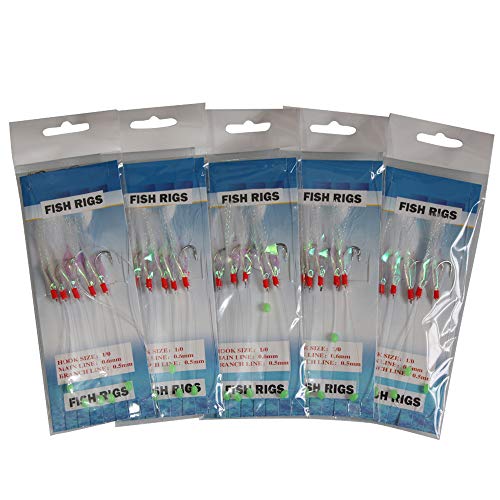
- Sabiki rig: drop near structure and use short lifts.
- Small hook: use tiny pieces of shrimp, squid, or Fishbites.
- Bait trap: bait with fish scraps or shrimp and check often.
Rigging tip: hook pinfish through the back under a cork, or through the lips when fishing current.
How to Catch Finger Mullet
Finger mullet are top bait for redfish, trout, flounder, jacks, tarpon, and surf fish.
Where to Look
- Shallow shorelines, canals, drains, and cuts
- Surf guts and calm beach edges
- Flats around Harbor Island and Packery Channel
Best Methods
- Cast net: throw slightly ahead of the school, not behind it.
- Seine: work shallow sandy edges and keep the bottom line down.
- Funnels: target points, drains, seawalls, and narrow travel lanes.
Do not overload the bucket. Mullet burn oxygen fast. A few lively baits beat a bucket of weak ones.
How to Use a Cast Net
A cast net is the fastest way to catch finger mullet, shad, menhaden, perch, and other schooling bait.
Net Basics
Quick Steps
- Loop the handline around your wrist.
- Shake out tangles and load the net cleanly.
- Throw with your body, not just your arms.
- Let it sink, then retrieve steadily.
- Move bait quickly into aerated water.
Good Local Areas
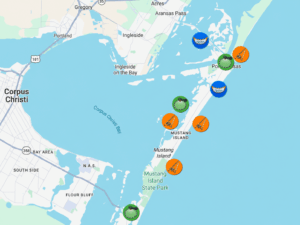
Try Roberts Point Park near the pier bulkhead, plus the flats around Harbor Island and Packery Channel from shore or boat.
Avoid These Mistakes
- Throwing after bait already scattered
- Pulling before the net sinks
- Throwing over shell, rocks, or debris
How to Use a Seine Net
A seine works best in shallow water where bait is spread out along sandy shorelines, flats, marsh edges, or the beach wash.
Best Bait to Catch
- Finger mullet
- Mud minnows
- Small shrimp
- Glass minnows
Two-Person Method
- Each person holds one end.
- Walk in a slow arc toward shore.
- Keep the weighted bottom line on the bottom.
- Bring both ends together and sort quickly.
Beach Method
- Work the 1- to 2-foot zone where surf meets sand.
- Hold one end still near the beach.
- Sweep the other end out, around, and back in.
- Come back against the current to trap bait in the pocket.
Best practice: seine over sand or soft mud. Shell, rocks, and heavy grass can snag or tear the net.
How to Use a Sabiki Rig
A sabiki rig is a small multi-hook bait rig. It is great for pinfish, piggy perch, and small baitfish around structure.
Where It Works
- Docks, piers, and marina slips
- Jetties and bridge pilings
- Lights or bait schools around boats
Quick Steps
- Tie the rig to your main line.
- Add a small sinker to the bottom.
- Drop near structure or bait.
- Use short lifts and pauses.
- Reel smoothly when fish bite.
Tip: tiny pieces of shrimp, squid, or Fishbites can help, but keep them small.
How to Keep Live Bait Alive
Healthy bait swims naturally. Weak bait spins, floats, or dies before it gets eaten.
Quick Bait Notes
- Pinfish: tough and forgiving.
- Finger mullet: active but oxygen-hungry.
- Shrimp: fragile in hot water.
- Mud minnows: very hardy.
And whether you bought bait or catch your own, make use of the leftovers because we know the effort and/or expense it takes to get good fresh bait! Read our article on how to Recycle Your Fresh Leftover Bait.
How to Rig Live Bait
Rig bait so it stays alive and swims naturally. Too much hook or weight kills the action.
Hook Size
Use a hook big enough to land the fish, but small enough that the bait can still swim.
Quick Live Bait Matchup Guide
Use this as a fast starting point. Tide, water clarity, and local bait activity still matter.
| Bait | Catch It With | Find It Around | Good For |
|---|---|---|---|
| Pinfish | Sabiki, trap, small hook | Grass, docks, rocks | Trout, redfish, snapper |
| Finger mullet | Cast net, seine | Shorelines, drains, surf | Redfish, trout, flounder |
| Mud minnows | Seine, trap, dip net | Marsh, mud, backwaters | Flounder, redfish |
| Shrimp | Dip net, seine, bait shop | Grass, lights, docks | Almost everything |
| Piggy perch | Sabiki, small hook | Docks, rocks, grass | Trout, redfish, snapper |
Safety, Courtesy, and Local Rules
Catch bait responsibly. Watch where you throw, what you keep, and who is around you.
Basic Courtesy
- Do not throw over someone else's line.
- Do not block ramps, docks, or marina lanes.
- Release unwanted bait quickly.
- Clean up bait scraps and trash.
Check the rules: bait, gear, trap, seine, and cast net regulations can vary. Know the local rules before filling a bucket.
Final Thought: Find the Bait First
Predators usually are not far behind.
Use a cast net when bait is schooling, a seine along shallow edges, a sabiki near structure, and traps or small hooks when you want a slower but easy option.
Best advice: watch the water, match the bait, keep it lively, and fish it naturally.