PORT ARANSAS WEATHER

Nostalgic Port A Memories

When Port Aransas still smelled like bait, salt, and sunburn.

A sentimental look back at fishing, family, ferries, crab nets, and the little coastal town that raised part of us.
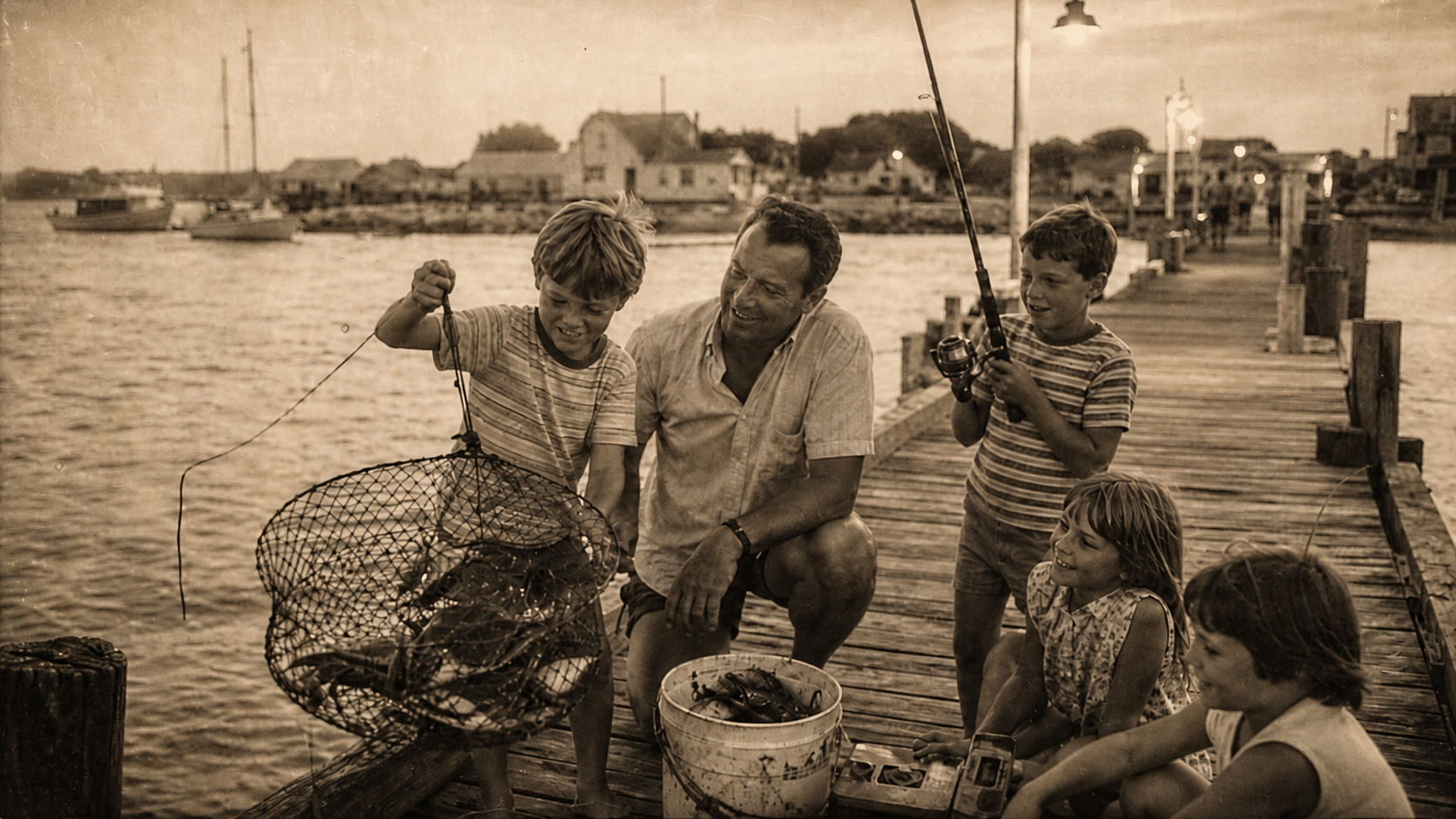
Nostalgic family fishing and crabbing on an old Port Aransas pier

Some families had lake houses. Some had deer leases. Some had Sunday dinners where everybody sat properly and used the right fork.

Our family had Port Aransas.

And thank goodness for that, because a kid can learn a lot more from a crab net, a stringer of fish, and a father with sand on his feet than he ever will from sitting still in somebodyโ€™s formal dining room.

I was brought to Port Aransas when I was one year old, too young to know where I was, but apparently old enough for the island to get into my blood. My siblings and I grew up in Waco, and Port Aransas was the place we could count on seeing at least once every summer. That trip from Central Texas to the coast felt like a pilgrimage. The farther south we drove, the flatter the land became, the saltier the air seemed to get, and the more restless the kids became in the back seat.

By the time we reached the ferry, we were already halfway transformed. Waco was behind us. School was behind us. Shoes were practically optional. The ferry ride was the final crossing into freedom.

Sometimes our cousins from San Antonio came too, which made everything louder, funnier, and more chaotic in the best possible way. More kids meant more tangled fishing lines, more sandy towels, more arguments over who got the good sleeping spot, and more stories that would get better every time they were retold.

Port Aransas was not just where we went fishing. It was where we learned how to remember.

My father took us fishing, crabbing, and flounder gigging, and he taught us all of it. He taught us how to bait a hook, how to work a crab line, how to watch the water, and how to gig flounder under the beam of a light when the whole world seemed dark except for the sandy bottom below us. He did not just teach us how to catch things. He taught us patience. He taught us tides. He taught us that fishing was never really just about fish.

It was about being together.

Back then, Port Aransas was still very much a little fishing town. Not a โ€œbrand.โ€ Not a โ€œcoastal lifestyle destination.โ€ Not a place where half the vehicles looked like golf carts wearing jewelry. It was simple, salty, and honest. You came across the ferry, and it felt like you had crossed into another world. The air changed. The pace changed. Adults loosened up. Kids ran wild. Nobody cared much if your shirt matched your shorts, because by noon everything was covered in bait, sand, or melted popsicle anyway.

We had family roots all over that island. Aunts, uncles, close friends, and even one of our grandfathers had cottages โ€” real cottages, not โ€œbeach residencesโ€ โ€” on Avenue F and Channel View Drive. Those houses had character. They had screen doors that slapped shut, sandy floors no broom could defeat, and porches where grown-ups told stories while kids listened just close enough to catch the good parts.

My grandfather came from San Antonio and built a cuddy cabin from a kit. Think about that for a minute. Today, folks spend half a day deciding which stainless cupholder package they want on a boat. He built the boat.

And he fished it.

He loved targeting gafftop, and from what I remember, he was good at it. Gafftop may not be the glamour fish of the coast, but do not tell that to a man who knows where they are and how to catch them. Besides, there is something wonderfully Port Aransas about respecting the fish other people overlook. That was the way of the old island. You did not need a hero shot with a giant offshore tuna to have a good day. A mess of fish, a cooler of drinks, and somebody exaggerating the size of the one that got away was plenty.

โ€ขโ€ขโ€ข

We fished the jetties during the day, climbing over those granite rocks like mountain goats with tackle boxes. Of course, we were not graceful mountain goats. We were kids carrying rods, bait buckets, and just enough poor judgment to make every outing memorable. Somebody was always slipping, scraping a knee, tangling a line, or yelling, โ€œI got one!โ€ when what they actually had was the bottom.

At night, we fished the piers. That was a different kind of magic. The lights glowing over the water. The sound of reels clicking. The dark shapes of fish moving below. The older folks seemed to know things just by looking at the tide, the wind, or the moon. Kids mostly knew that if you stayed awake long enough, somebody might hand you another soda and let you keep fishing.

And then there were the crab nets.

When we fished the piers at night, we would tie chicken necks to round crab nets and lower them into the dark water. Then we waited.

Or at least we were supposed to wait.

I am sure I checked mine far too often. Patience is a virtue, but it is not one commonly found in a kid holding a crab net rope under pier lights. Every few minutes I would pull mine up, convinced this was going to be the big haul. Sometimes it was empty. Sometimes there would be one crab hanging on like he had made a serious mistake. And sometimes that net would come up heavy with blue crabs, claws raised, legs scrambling, all of us hollering like we had struck oil.

We caught a lot of crabs that way. Real crabs. Honest crabs. Crabs that came home with us and went into the pot. The smell of those fresh crabs cooking was fantastic โ€” salty, sweet, and rich with the kind of memory you cannot recreate from a grocery store seafood counter. There was nothing like eating something you had pulled from the water yourself just hours earlier.

We also combed the surf at the beach for crabs between beach markers 12 and 18, moving through the water like treasure hunters. A crab in the net felt like victory. A crab loose in the bucket felt like entertainment. A crab loose near your toes felt like a full-blown emergency.

Of course, not every seafood feast at home came with a perfectly honest origin story.

Our dads were not always as successful at shrimping or fishing as they may have suggested when they pulled back into town. But they were resourceful men, and resourcefulness is an underrated fishing skill.

Sometimes, if the fishing was slow, arrangements were made.

We kids knew โ€” or at least suspected โ€” that a little beer had occasionally been traded with shrimpers out in the Gulf for shrimp that somehow became โ€œour catchโ€ by the time we got home. Other times, fish from the market may have been quietly recruited to fill out the cooler. Nobody said too much about it. The official story was simple: the men went fishing, and seafood came home.

And if we kids kept quiet and did not tell our mothers about any creative seafood accounting, there might be a treat in it for us.

Looking back, I have to respect the whole operation. The dads protected their reputations. The moms got fresh seafood. The kids got treats. The shrimpers got beer. Everybody won.

That was Port Aransas, too โ€” not just the fishing, but the stories around the fishing. The truth, the exaggeration, the harmless little cover-ups, and the laughter that came with all of it.

โ€ขโ€ขโ€ข

Later, when I lived in San Antonio myself, Port Aransas became easier to reach. It was no longer the long haul from Waco. It was close enough to call my name more often, and I answered whenever I could.

In those days, I would camp right on the beach. Nothing fancy. Just sand, wind, salt, and enough gear to convince myself I was prepared. Eventually, I upgraded to a popup camper, which felt like luxury at the time. Compared to sleeping in a tent with sand in every zipper, a popup might as well have been a beachfront resort.

Those trips had their own rhythm. Wake up with the sun. Make coffee that always seemed to have a little grit in it. Fish when the conditions looked right. Sit under whatever shade you could create. Rinse off only enough sand to pretend you were clean. Then fall asleep to the sound of the surf, knowing you had somehow ended up exactly where you were supposed to be.

And then there were the bait shops.

Bilmoreโ€™s and Woodyโ€™s were not just places to buy bait and tackle. They were part of the ritual. You walked in and smelled shrimp, fish, salt, rubber boots, old wood, and possibility. There were lures on the wall that looked like they could catch anything from a trout to a submarine. Adults talked fishing reports. Kids stared at tackle they did not need but desperately wanted. Somebody always knew where the fish were biting, though whether they told the truth was another matter entirely.

Those old places helped define Port Aransas. They were not polished, and that was the point. You did not go there for atmosphere. You went there because they had bait, tackle, ice, advice, and maybe a little gossip if you listened closely enough.

โ€ขโ€ขโ€ข

Now, of course, Port Aransas has changed.

Boy, has it changed.

The little fishing town of our childhood now has more vacation rentals, bigger houses, more restaurants, more traffic, more golf carts, more construction, and more people trying to discover the โ€œhidden gemโ€ that was apparently hidden right under our bare feet the whole time. The old cottages have been replaced in many places by tall, shiny homes with balconies, outdoor kitchens, and names like Salt Therapy, Beach Please, or License to Chill. I am not judging. Well, maybe a little.

Where there were once modest fish camps and weathered porches, there are now resort-style communities, luxury homes, and second-home neighborhoods. The island has grown, and with that growth has come both progress and loss.

That is the complicated part.

The growth has brought good things. Better places to eat. More lodging choices. More ways for families to enjoy the island. More people falling in love with the same beach, water, birds, boats, and sunsets we loved long before Port A had so many souvenir T-shirts telling everyone to โ€œLive Salty.โ€

But something has been lost, too.

You can still find the old Port Aransas, but you have to look harder for it. It is not always sitting right there on the surface anymore. Sometimes it is tucked behind a new building, hidden under a coat of fresh paint, or carried in the stories of people who remember when fishing reports mattered more than real estate listings.

It is in the early morning ferry line.

It is in the smell of live shrimp.

It is in the sound of a cast net hitting the water.

It is in the jetties, still standing there like old stone witnesses.

It is in the pier lights glowing over dark water.

It is in the kids with sandy hair and sunburned cheeks who still think a crab in a bucket is about the most exciting thing in the world.

And it is in families like ours.

Families who came here before the island became fashionable. Families who had cottages instead of investment properties. Families who fished under pier lights, gigged flounder, bought bait from places that are now memories, camped on the beach, and learned from fathers and grandfathers who understood that the coast gives you more than fish.

It gives you stories.

It gives you patience.

It gives you a place to belong.

Port Aransas may have changed from a scruffy little fishing town into a busier, shinier, more crowded beach destination, but the heart of it is still out there. It is still in the water. Still in the rocks. Still in the night air. Still in the ferry line. Still in the smell of crabs cooking after a long day. Still in the families who return year after year, bringing kids who may not yet understand that they are being handed something precious.

I did not know it when I was one year old, being brought to Port Aransas for the first time. I did not know it while chasing crabs between markers 12 and 18, or fishing the piers half-asleep, or watching my father show us how things were done.

But I know it now.

We were not just going fishing.

We were being taught how to remember.

โ€ขโ€ขโ€ข

And if you have never been to Port Aransas, maybe it is time you came down and made a few memories of your own.

Come for the beach. Come for the ferry ride. Come for the seafood, the sunsets, the dolphins, the salty breeze, and that first moment when you roll onto the island and feel yourself slow down a little whether you meant to or not.

But if you really want to understand Port A, bring a fishing rod.

This little island has always had saltwater fishing in its bones. From the jetties to the surf, from the bays to the piers, from redfish and trout to flounder, snapper, kingfish, tarpon, and everything in between, Port Aransas offers some of the best saltwater fishing anywhere on the Texas coast. That is not just hometown bragging. Port Aransas was officially named the Fishing Capital of Texas by state lawmakers and Governor Greg Abbott, a fitting title for a town that has been drawing anglers for generations.

So come down. Cast a line. Lower a crab net. Take a kid fishing. Let them get sandy, sunburned, excited, impatient, and maybe a little too proud of a crab in a bucket.

Because someday, years from now, they may not remember every fish they caught.

But they will remember who took them.

And that is where the real catch has always been.
Leave a Comment

Your email address will not be published. Required fields are marked *

Temperature Travel Planner

Temperature Travel Planner

Pick your preferred travel temperatures and travel week. The map colors each destination using a baseline estimate from several years of historical seasonal temperature patterns.

Adjust Travel Preferences

Set the minimum and maximum daily temperatures you'd like to travel in, drag the week slider, then click Update Map.

1. Adjust the low and high temperatures

Set the minimum and maximum daily temperatures you'd like to travel in.

2. Set the travel week

Drag the date slider to the week you want to check. The week range will update below the slider.

3. Click Update Map

The dots on the map will change colors based on the expected temperature for that week in each location.

ยฐF
ยฐF
Week 1 Week 52
Week 30
Change settings, then click Update Map.

Important: This is a climate-baseline planner, not a live weather forecast. It looks back at several years of temperature data and uses those patterns as a baseline to estimate future comfort zones. For real travel decisions, check the current forecast before you leave.

Best travel zones for Week 30

Cold: 0 Good: 0 Hot: 0

Bait Dashboard

Last Updates by Bait Vendor

    Bait Availability Disclaimer
    Bait availability shown on this dashboard is reported directly by individual bait shops and may change at any time without notice. HookedOnPortA.comโ„ข does not verify or guarantee the accuracy, completeness, or timeliness of any listings.
    • The โ€œLast Updatedโ€ date/time reflects the most recent update made by an individual shop and is not indicative of all shops being current.

    • Status information may be incorrect, delayed, or unavailable. Always contact a shop directly to confirm availability before traveling or purchasing.

    • HookedOnPortA.com are not responsible or liable for any errors, omissions, outdated information, or consequences arising from reliance on this dashboard.

    โญ Our Local Favorites โญ

    Webcams, bars, and restaurants around Port Aransas and surrounding areas.

    Filters:
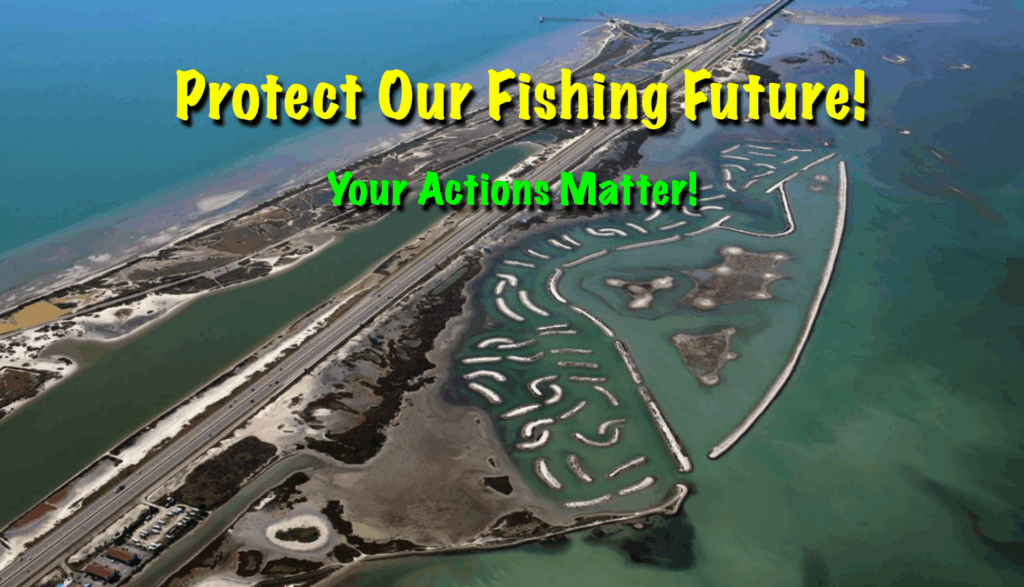
    protect our fishing future

    Protecting the Coastal Bend Bays:

    Why Fishermenโ€™s Choices Matter

    Along the Texas Coastal Bend, the bays and estuaries supported by the Coastal Bend Bays & Estuaries Program (CBBEP) are more than pretty backdrops for a day on the water. They are living, working nurseries that keep our fisheries alive and our coastal communities thriving. CBBEP exists to safeguard these systems while still supporting fishing, boating, and a strong local economy.

    ย 

    Nowhere is that balance more visible than in Port Aransas โ€“ โ€œThe Fishing Capital of Texas.โ€ย  That title isnโ€™t a trophy we won once and get to keep forever. It depends on healthy bays, strong fish populations, and a community of anglers who are willing to protect the very habitats that make Port A special.

    And that starts with how we run our boats in shallow water.


    ย 

    Seagrass: The Foundation of Our Fishery

    The Coastal Bend holds a massive share of Texasโ€™ seagrass, much of it in the shallow, clear flats that attract redfish, trout, drum, and flounder.

    ย 

    Seagrass meadows are not โ€œjust grassโ€:

      • They are nurseries where juvenile fish, shrimp, and crabs feed and hide from predators.

      • Their dense roots and rhizomes stabilize the bottom, preventing erosion and holding the bay in place.

      • They help keep the water clearer and more productive, supporting the entire food chain โ€” from baitfish to trophy gamefish.

    If you enjoy sight-casting to tailing reds on Lighthouse Lakes, poling over clear grass flats near Shamrock, or drifting the Laguna Madre for specks, youโ€™re already relying on healthy seagrass meadows more than you might realize.


    ย 

    The Hidden Damage of Running Motors in Skinny Water

    Modern shallow-draft boats make it tempting to run โ€œjust one more shortcutโ€ across a grassy flat. But when a propeller or even a low-running motor plows through seagrass, it cuts a trench into the meadow โ€” a prop scar.

    ย 

    Those scars are more than cosmetic:

      • The prop tears up the plants and the buried root system, leaving bare sand or mud behind.

      • These bare scars can take years to heal, and heavy scarring can fragment the meadow so much that it never fully recovers.

      • As seagrass disappears, so does the habitat complexity that young fish, shrimp, and crabs need to survive โ€” meaning fewer adult fish for anglers later.

    When we โ€œpower throughโ€ shallow grass rather than lifting our motors or choosing a deeper route, we are literally cutting up the nursery that supports our own future catches.


    ย 

    How Habitat Damage Comes Back to Hurt Fishermen

    CBBEP and its partners spend years and millions of dollars restoring marshes, deltas, and seagrass habitats โ€” like the Nueces Delta Preserve and the Nueces Bay Marsh Restoration Project โ€” to rebuild the natural foundation that fish and wildlife rely on.

    ย 

    If anglers and guides continue to tear up seagrass in shallow areas, we work against those investments:

      • Fewer fish in the future โ€“ Less nursery habitat means lower survival of young fish, which eventually shows up as poorer fishing, smaller average sizes, and fewer โ€œhero daysโ€ on the water.

      • More pressure on remaining spots โ€“ As healthy grass beds shrink, more boats crowd into fewer areas, multiplying the damage and the fishing pressure.

      • Economic ripple effects โ€“ Guides, bait shops, tackle stores, boat dealers, RV parks, hotels, and restaurants all depend on strong, reliable fishing. Damaged habitat undercuts that entire chain.

    If we donโ€™t take care of the habitat that supports our fishery, Port Aransas will slowly lose its grip on the title of โ€œFishing Capital of Texas.โ€

    That title is built on reputation โ€” on consistent, high-quality fishing and healthy bays. If we treat the seagrass and shallow flats like disposable racetracks, weโ€™re quietly eroding the very thing Port A is famous for.


    ย 

    Partnering with CBBEP: โ€œLift, Drift, Pole, or Trollโ€

    The good news: the solution is simple and completely in our hands.

    CBBEP and Texas agencies promote a straightforward message for protecting seagrass:ย  Lift, drift, pole, or troll.

    ย 

    On the water, that looks like this:

      • Plan your route using channels
        Use charts, GPS, and markers to stay in deeper, established routes when running at speed. Avoid using shallow grass flats as shortcuts.

      • Watch your depth and your wake
        If you see prop wash turning from clear to milky, or you see bottom grass just under the hull, youโ€™re too shallow to be on plane. Trim up, slow down, and reassess.

      • Lift and idle or drift when it gets skinny
        In shallow seagrass, trim your motor up or shut it off and drift across. Youโ€™ll spook fewer fish and avoid scarring the bottom.

      • Pole or carefully use a trolling motor
        Use a push pole or a properly trimmed trolling motor in the shallowest areas. Donโ€™t let the trolling motor dig a trench in the bottom.

      • Look behind you
        A long muddy streak stretching away from your boat is a red flag that you just left a scar. Learn from it, mark that area mentally, and avoid repeating the mistake.

    Every time an angler chooses to lift, drift, pole, or troll instead of โ€œplowingโ€ through, they keep a little more habitat intact โ€” and that adds up across thousands of fishing trips every year.


    ย 

    Share the Message: Stewardship Is a Community Effort

    CBBEPโ€™s mission โ€” to protect and restore the health and productivity of our bays while supporting economic growth and public use โ€” only works if those of us who use the bays see ourselves as partners, not just customers.

    ย 

    That means:

      • Guides explaining seagrass etiquette to every client.

      • Friends calling out friends (respectfully) when they see someone tearing up a flat.

      • Marinas, bait stands, RV parks, and tackle shops posting reminders about shallow-water running and boating smart in the grass.

      • Anglers talking about habitat protection on docks, forums, and social media โ€” not just bragging about the dayโ€™s catch.

    We donโ€™t protect Port Aransasโ€™ reputation with slogans alone. We protect it with choices on the water and a willingness to share the message with everyone who launches a boat here.ย 

    The Bottom Line

    When we protect seagrass, we protect:

      • the bait that draws in gamefish,

      • the structure that keeps young fish alive,

      • the clarity and productivity of our bays,

      • and the future of sport and commercial fishing in the Coastal Bend.

    If we want Port Aransas to remain proudly known as โ€œThe Fishing Capital of Texas,โ€ then boaters, guides, and the fishing industry must treat seagrass and shallow habitats as priceless infrastructure โ€” not as expendable shortcuts.

    ย 

    Every pass across a flat is a choice:
    Cut scars that will haunt our fishery for years, or glide over gently, leaving the meadow โ€” and tomorrowโ€™s catch โ€” intact.

    For the sake of our bays, our businesses, our kids, and Port Aโ€™s hard-earned title, itโ€™s time for all of us to boat like the future of fishing depends on it – because it does!

    ย Read more about the Coastal Bend Bays & Estuaries Program and its work to protect our Texas Coastal Bend bays in this EPA Success Story.

    ย 

    ย 

    Red Dot Pier

    Live Chat request intiated!
    ย 
    I will be notified regarding your chat request. It might take me a couple of minutes to login to respond if I am not already online. Please be patient and I will respond ASAP. If you cannot wait, I will follow-up via email or phone call. Thanks for partnering with us to bring realtime bait status for Port Aransas area anglers!
    ttb logo transparent

    ย 

    We’re Sorry!

    ย 

    This bait vendor has not yet agreed to provide status updats on our Bait Dashboard, but hope this could happen soon so that we can bring you more online choices. Check back often!

    Fin & Feather

    Cos Way Bait & Tackle

    Deep Sea Headquarters

    Port A Outfitters

    ย 

    ย 

    hopa logo oval

    Privacy Policy

    Last updated: October 3, 2025

    HookedOnPortA.comโ„ข (โ€œwe,โ€ โ€œour,โ€ or โ€œusโ€) values your privacy. This Privacy Policy explains how we collect, use, and protect your personal information when you visit or interact with our websiteย https://hookedonporta.com.


    1. Information We Collect

    When you interact with our website, we may collect the following information:

    • Name

    • Email address

    • Phone number (if provided)

    • Any information you voluntarily provide through forms or communications

    In the future, we may also collect information through cookies, analytics tools, or similar technologies to understand how our website is used.


    2. How We Use Your Information

    We use your information to:

    • Respond to your inquiries and requests

    • Send updates such as our latest Fishing Reports (if you opt in)

    • Improve our website content and user experience

    • Communicate with you about HookedOnPortA.comโ„ข news and updates

    You may opt out of receiving emails or other communications from us at any time by following the unsubscribe instructions in our messages.


    3. Information We Do Not Share or Sell

    We respect your privacy.ย We will never sell, rent, or give your personal data to third partiesย for marketing purposes.

    Your information may only be shared with trusted service providers (such as our hosting provider, GoDaddy) when necessary to operate our website. These providers are required to keep your information secure and confidential.


    4. Data Security

    We rely on our hosting provider (GoDaddy) and industry-standard safeguards to protect your information. However, no method of online transmission or storage is 100% secure, and we cannot guarantee absolute security.


    5. Cookies & Analytics

    At this time, we do not use cookies or analytics tools. In the future, we may use cookies or third-party analytics (such as Google Analytics) to improve website performance and user experience. If we do, we will update this policy and provide options for you to manage cookie preferences.


    6. Your Choices and Rights

    • You may unsubscribe from emails at any time.

    • You may request that we update or delete your information by contacting us at [Insert Contact Email].

    • If we add SMS/text messaging in the future, you will have the option to opt out at any time.

    7. Updates to This Policy

    We may update this Privacy Policy from time to time. The latest version will always be posted on this page with a revised โ€œLast updatedโ€ date.


    8. Contact Us

    If you have any questions about this Privacy Policy or how your information is handled, please contact us:
    ๐Ÿ“ง contact@hookedonporta.com
    ๐ŸŒย https://hookedonporta.com

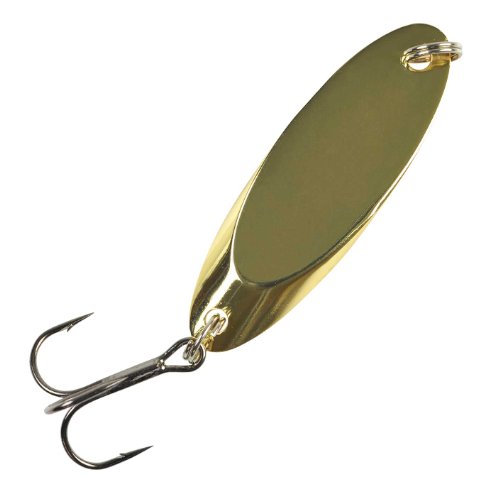
    The Spoon Endures

    Why theย Johnson Spoon belongs in Your Saltwater Tackle Box

    When youโ€™re fishing the Gulf and bays around Port Aransas, one classic lure consistently puts fish on the deck: theย Johnson Spoon . Born in 1923 and still a staple a century later, this spoon excels anywhere grass, shell, and current collideโ€”exactly the kind of water we fish here every day.

    Built for Weeds, Grass, and Oyster Edges

    Our local flats are rich with seagrass, potholes, and shell banksโ€”great for redfish and trout, not so great for exposed treble hooks. Theย Johnson Spoon uses an upturned single hook and guard that slips through salad where other lures bog down. Cast confidently across turtle grass, along mangrove edges, and even over broken shell without turning every other retrieve into a clean-up job.


    Flash + Wobble = Reaction Strikes

    In bright Gulf sun or lightly stained bay water, the spoonโ€™s tight wobble and hard flash mimic a fleeing baitfish. Theย Johnson Spoon can be fished plain, tipped with a strip of cut bait, or dressed with a soft-plastic trailer for extra thump. Keep a steady retrieve, tick the tops of grass, and let the spoon do the selling.

    Targets in Port A:

    • Redfish prowling wind-blown shorelines and grass flats
    • Speckled trout working potholes and oyster reef edges
    • Flounder ambushing from sandy, current-swept lanes
    • Spanish mackerel and jacks when you burn it along the jetties

    Why Anglers Love It:

    • Weedless design fishes clean in salad and shell
    • Century-long track record of catches
    • Versatility across Gulf & bay situations
    • Durable finish for saltwater abuse

    Simple to Fish, Deadly Effective

    No fancy rod work required. Theย Johnson Spoon shines with a moderate, steady retrieveโ€”fast enough to keep it ticking above grass, slow enough to keep that tight, fish-calling wobble. Add a brief pause when you clear a pothole or the edge of an oyster bar to trigger followers.

    ย 

    Quick Port Aransas Playbook

    • Windy flats:ย Cast cross-wind and slow-roll the spoon so it flutters just above grass tops.
    • Reef edges:ย Work parallel to shell banks; tap bottom, lift, and glide to draw trout and flounder.
    • Jetties:ย Speed it up for Spanish; use a short wire bite guard if macks are thick.
    • Color & size:ย Start with classic silver. Step to gold on cloudy days or tannin-stained water.

    Heading out this weekend? Make room in the box for theย Johnson Silver Minnow Weedless Spoonย . It fishes where the bite livesโ€”and turns near-misses into solid hookups across our Port A Gulf and bay waters.

    HookedOnPortA.com โ€” Add to Home Screen

    Add to Home Screen

    Follow the instructions below to add a HookedOnPortA.comโ„ข shortcut to your phone!

    ๐Ÿ“ฑ iPhone (Safari)

    1. Open hookedonporta.com in Safari.
    2. Tap the Share button (square with โ†‘ arrow).
    3. Scroll and choose Add to Home Screen.
    4. Optional: rename to HookedOnPortA.com, then tap Add.
    Once added, find the new icon on your Home Screen. Launches in a clean, app-like view.

    Note: On iPad, the steps are the same in Safari. If you don't see "Add to Home Screen", scroll the sheet all the way down.


    ๐Ÿค– Android (Chrome)

    1. Open hookedonporta.com in Chrome.
    2. Tap the โ‹ฎ menu in the top-right.
    3. Choose Add to Home screen (or Install app).
    4. Optional: rename to HookedOnPortA.com, then tap Add.
    Android may show a placement promptโ€”drop the icon where you want it or tap Add to auto-place.

    Note: Steps may vary slightly by device (Samsung Internet: Add page to โ†’ Home screen).

    2025 HookedOnPortA.comโ„ข

    Knot Tying 101

    We are all thankful for YouTube video creators! There’s nothing like a video domonstration when it comes to learning how to tie fishing knots. We’ve hand picked a few that we think you will find helpful.