How Many Versions Do You Really Need?
You do not need every color, size, tail shape, jig head, and scented plastic hanging on the wall. That is how tackle boxes turn into junk drawers. What you need is a small, smart lineup that lets you adjust to the water in front of you.
The right lure or plastic depends on five things: water clarity, current, water temperature, time of day, and the fish species you are targeting. When those conditions change, your lure choice should change with them.
Simple rule: carry enough variety to make useful adjustments, but not so much that you waste time second-guessing yourself instead of fishing.
Water Clarity: Let the Fish See It or Feel It
Water clarity is usually the first thing to check. Clear water, stained water, and muddy water each call for a different approach. A lure that looks natural in clear water may disappear in dirty water. A loud, flashy bait that gets noticed in muddy water may look ridiculous in clear water.
Clear Water
Use more natural colors, smaller profiles, and a cleaner presentation. Think baitfish, shrimp, mullet, glass minnow, pearl, silver, watermelon, or subtle translucent colors.
Stained Water
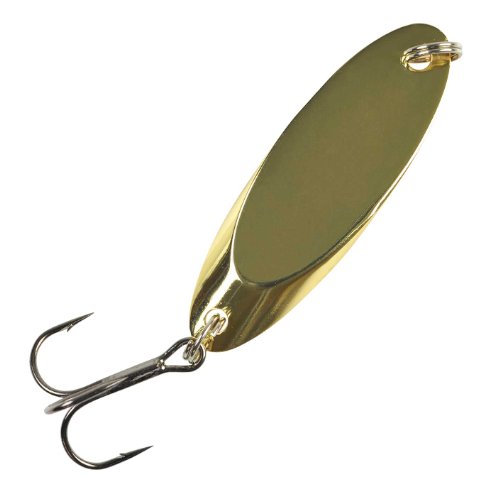
Step up the contrast. Gold, chartreuse, electric chicken, root beer, opening night, and darker backs can help fish find the bait.
Muddy Water
Go bold. Dark silhouettes, vibration, scent, paddle tails, rattles, and brighter contrast matter more than fine detail.
Practical lineup: keep one natural color, one bright color, and one dark or high-contrast color in your favorite soft plastic style.
Current: Match the Weight to the Water
Current changes everything. If your lure is too light, it rides too high, drifts out of the strike zone, or never gets down where the fish are feeding. If it is too heavy, it drags unnaturally, hangs up, or looks dead.
In light current, lighter jig heads and slower retrieves can look more natural. In stronger current, you may need more weight, a slimmer body, or a lure that tracks straight without rolling.
Where Current Helps
Predator fish often use current like a food conveyor belt. They sit near cuts, drains, channels, rock edges, grass lines, jetties, and drop-offs waiting for bait to be pushed toward them. Your job is to get the lure into that lane and keep it there long enough to get eaten.
- Light current: lighter jig heads, subtle tails, slower fall.
- Moderate current: paddle tails, shrimp imitations, medium jig heads.
- Heavy current: heavier jig heads, slimmer plastics, spoons, or lures that cast well and stay down.
Water Temperature: Speed Up or Slow Down
Water temperature affects how aggressive fish are and how far they may be willing to move for a bait. Warm water usually supports faster retrieves and more aggressive presentations. Cold water often rewards patience, smaller movements, and slower sinking baits.
Cooler Water
Try slower retrieves, suspending lures, smaller soft plastics, and presentations that stay in the strike zone longer.
Warmer Water
Use paddle tails, topwaters, spoons, twitch baits, and faster search baits when fish are active and chasing.
Do not overthink it: when the bite is slow, slow down first. Change color second. Change the whole lure style third.
Time of Day: Light Changes the Bite
Early morning, late evening, bright midday, and nighttime all create different visibility and feeding conditions. The same lure that gets crushed at sunrise may be ignored at noon.
Low Light
At sunrise, sunset, or under cloudy skies, fish may move shallow and feed more aggressively. Topwaters, wake baits, darker silhouettes, and larger profiles can work well because fish are often looking upward or hunting by contrast.
Bright Sun
When the sun gets high, fish may slide deeper, tuck into shade, hold near structure, or become more selective. Natural colors, smaller profiles, longer casts, and cleaner presentations usually matter more.
Night Fishing
At night, contrast and vibration become more important. Dark colors can create a better silhouette against the surface, while paddle tails, rattles, and scent can help fish locate the bait.
Targeted Fish Species: Pick Lures with a Purpose
The fish you are targeting should narrow your lure choices fast. Trout, redfish, flounder, black drum, snook, and other coastal species do not always feed the same way or hold in the same places.
Speckled Trout
Soft plastics, twitch baits, shrimp imitations, and topwaters can all work. Trout often respond well to suspending or slow-falling presentations, especially in cooler water.
Redfish
Redfish are built to root, chase, and crush bait. Paddle tails, spoons, weedless plastics, shrimp imitations, and gold flash are all strong options.
Flounder
Think bottom contact. Soft plastics, scented baits, curl tails, and slow presentations near drains, drop-offs, and sandy edges are usually better than racing a bait past them.
Black Drum
Artificial options can work, but scent and a slower presentation matter. Shrimp-style plastics and crab-style imitations are better choices than fast-moving flashy baits.
So, How Many Versions Should You Carry?
For most coastal fishing, you can cover a lot of water with a tight selection. You do not need fifty plastics. You need confidence baits in a few smart variations.
A Good Starter Setup
- 3 colors: natural, bright, and dark/high-contrast.
- 2 sizes: smaller for clear water or picky fish, larger for dirty water or aggressive fish.
- 2 tail styles: paddle tail for vibration, jerk shad or shrimp style for subtle action.
- 3 jig head weights: light, medium, and heavier for current or depth changes.
- 1 or 2 hard baits: a topwater, twitch bait, spoon, or suspending lure depending on where you fish most.
Real-world answer: about 12 to 18 well-chosen lure/plastic combinations will usually beat a giant tackle bag full of random colors you barely trust.
Build a System, Not a Pile of Baits
The best artificial lure selection is not the biggest one. It is the one that helps you make fast, logical decisions when conditions change.
Start with water clarity. Adjust for current. Slow down or speed up based on temperature. Pay attention to light levels. Then choose a lure style that matches the species you are actually trying to catch.
That is how you stop guessing and start fishing with a plan.
Bottom line: carry fewer lures, but make every version earn its spot in the box.
Also Like Live Bait?
If you prefer to fish with live bait, or want to have some as your primary or backup bait, check out our article on Catching Live Bait.