PINCH ME, PORT A!
A Quirky (and Delicious) Guide to Crabbing Around Port Aransas
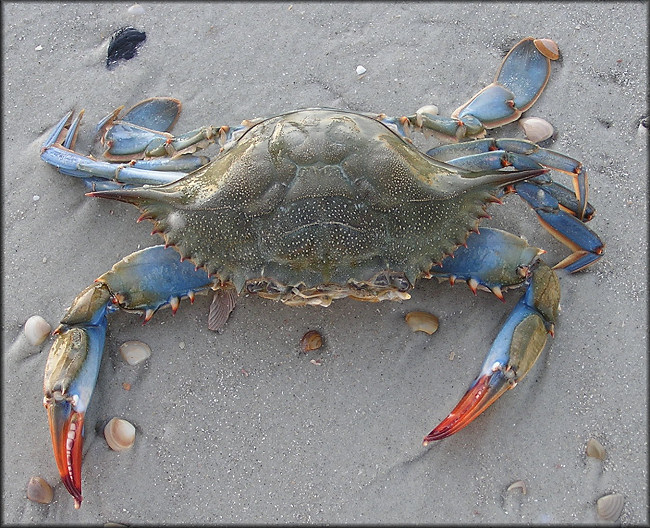
If you’re looking for a coastal adventure that’s part treasure hunt, part dinner plan, and 100% Port A fun… go crabbing. Texas blue crabs are the stars here—fast, feisty, and absolutely worth the effort when you do it right.
This guide covers where to crab, what to use, when to go, and the key Texas Parks & Wildlife (TPWD) regulations you must follow—whether you’re working the jetties, dropping lines off a pier, or soaking traps in the bay.
WHERE TO CRAB IN THE PORT ARANSAS AREA
Piers (easy, family-friendly, great visibility)
- Horace Caldwell Pier: Classic “drop-and-scoop” territory. Lower a crab line or ring net straight down and watch for action.
- Lighted docks and public piers: At dusk and after dark, lights draw baitfish… and crabs follow the buffet.
Jetties (more structure, more crabs, more “watch your footing”)
- Port Aransas South Jetty: Rocks + current = crab habitat. Use heavier weight and a long dip net.
- Channel edges and rock piles: Anywhere you’ve got tidal flow pushing food along structure can produce.
Bays & backwaters (best for traps, calmer water, and steady soaking)
- Shorelines with grass, mud, or broken shell: Blue crabs love these zones.
- Bulkheads, canals, and protected bay edges: Great for kids and for setting traps where water movement isn’t too wild.
WHEN TO GO (THE “MOST LIKELY TO SCORE” TIMES)
- Early morning and late evening are usually best.
- Favor moving water: incoming or outgoing tide often turns the bite on.
- Warm months typically bring more action, but you can catch blue crabs year-round.
WHAT TO USE (SIMPLE SETUPS THAT WORK)
1) Crab line (the classic Port A method)
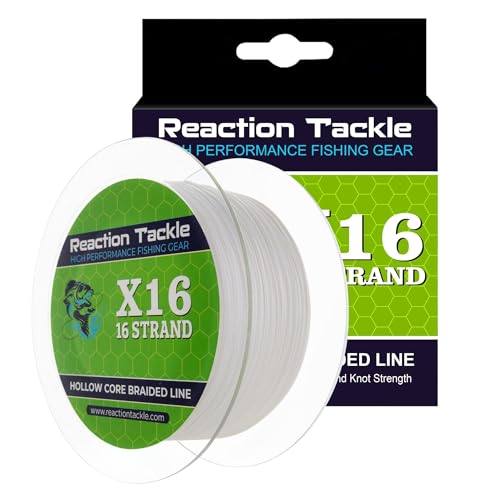
A baited line (no hook) lowered near structure. When you feel steady pulling/tugging, lift slowly and scoop the crab with a dip net.
2) Ring net / drop net (pier perfection)
Crabs climb onto the net to eat. You lift straight up. This is one of the easiest ways to avoid the heartbreak of a crab letting go at the surface.
3) Crab traps (great in bay areas—rules matter!)
Traps are effective, but they’re regulated. If you use traps, follow TPWD rules exactly (tags, tending hours, and trap design requirements).
Best baits (the stinkier, the better)
- Chicken necks, chicken backs, or drumsticks
- Fish heads and carcasses
- Oily fish chunks (mullet/menhaden-type bait)
THE “DON’T SHOW UP WITHOUT IT” CHECKLIST
Bring these every time:
- Cooler with lots of ice (or frozen water bottles)
- Crab measuring gauge or ruler (size limits are real)
- Long-handled dip net (especially for piers/jetties)
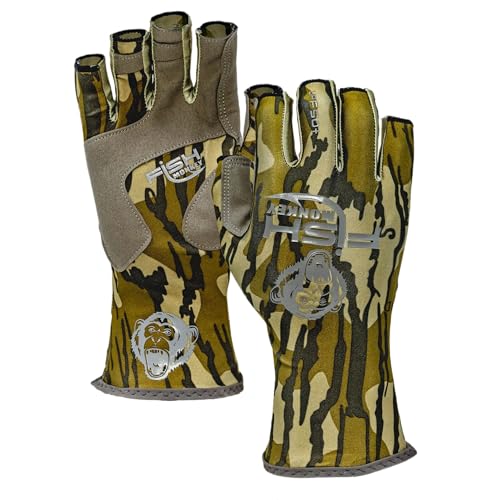
- Gloves and/or tongs (blue crabs pinch like they’re paid to do it)
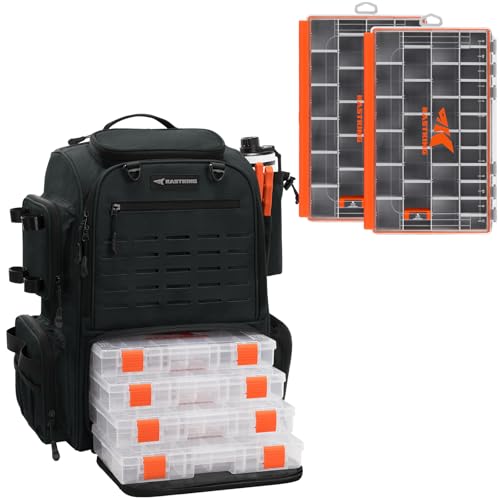
- Bucket or crate for gear (and to keep things organized)
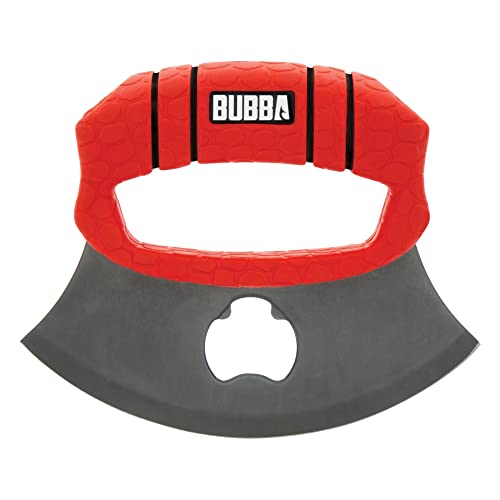
- Bait knife + small cutting board (if using fish bait)
- Trash bag (pack it out)
- Headlamp/flashlight for evening sessions
LOCATION-SPECIFIC TIPS (JETTIES vs PIERS vs BAYS)
If you’re crabbing from the jetties
- Wear grippy shoes (rocks get slick fast).
- Use heavier weight so your bait stays put.
- Keep your dip net ready and scoop from below—most crabs escape in the final 3 feet.
If you’re crabbing from piers
- Ring nets and crab lines shine here.
- Watch your line angle—wind and current can drift bait away from the pilings where crabs prowl.
If you’re crabbing bay edges/backwaters
- Traps and folding panel traps can do great where water is calmer.
- Set near structure (bulkheads, grass edges, drains) and check during legal tending hours.
HOW TO HANDLE AND STORE YOUR CATCH (KEEP IT FRESH AND SAFE)
- Get crabs cold fast: into a cooler with ice. Heat ruins quality quickly.
- Handle from the back when possible, or use tongs.
- Don’t keep crabs sitting in sun-warmed buckets. The cooler is your best friend.
- If a crab is clearly dead and smells off, don’t risk it.
TPWD REGULATIONS YOU NEED TO KNOW (TEXAS BLUE CRAB)
License & general rules
- If you’re taking crabs from Texas saltwater for non-commercial purposes, you must have a valid fishing license with a saltwater endorsement.
- Crabs taken under a recreational license for personal use may not be sold.
Blue crab limits & size
- Daily bag limit: No limit
- Possession limit: No limit
- Minimum size: 5 inches across the widest point of the body from spine tip to spine tip
- Bait exception: Up to 5% by number of undersized blue crabs may be kept for bait only and must be in a separate container
- Illegal to possess egg-bearing (“sponge”) crabs
- Illegal to possess a female crab with its abdominal apron removed
Crab trap rules (if you’re using traps)
- You may fish no more than 6 crab traps at one time for non-commercial purposes.
- You may only remove traps from the water or remove crabs from traps from 30 minutes before sunrise to 30 minutes after sunset.
- Traps must use a gear tag valid for 10 days, attached within 6 inches of the buoy or pier where the trap is tied.
- Trap construction rules include requirements like escape vents, degradable panels, buoy marking, and a maximum size limit for the trap.
Important seasonal note
- TPWD has a period when it’s unlawful to place, fish, or leave crab traps (or trap components) in coastal waters. Always check the current year’s dates before setting traps.
A QUICK “GOOD GUEST” CRABBING RULE
Keep what’s legal, release what isn’t, and leave your spot cleaner than you found it. Port A stays awesome when we treat it that way.