Beginner’s Guide to Surf Fishing — Step by Step
If you’ve ever strolled the beach past rows of sand-spiked rods and thought, “One day, I want to try that,” this guide is your shortcut. It blends practical steps with on-the-beach lessons from the Texas coast so you can go from curious to confident without wasting a trip (or a tide).
How to use this guide: Read the quick steps, then pick a starter bundle below. Each product image and button links to the exact gear. Your purchases through these links help fund more local surf-fishing tips and testing.
Why the Right First Setup Matters
Your first surf combo sets the tone. Too short and you’ll struggle to clear the breakers. Too light and you’ll fight the rod instead of the fish. The goal isn’t flashy—it’s dependable. A setup that casts far, shrugs off salt, and lets you focus on reading the water instead of wrestling your reel.
Picture this: you post up at first light, wind at your back, and that long rod sends your rig humming beyond the first bar. The line swings tight, the tip nods—now you’re in the game.
Step 1 — Choose the Right Rod
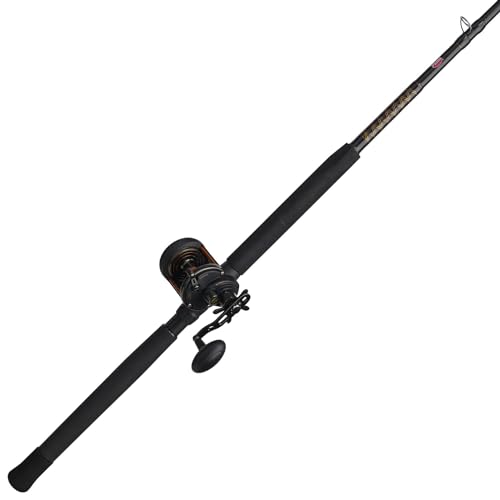
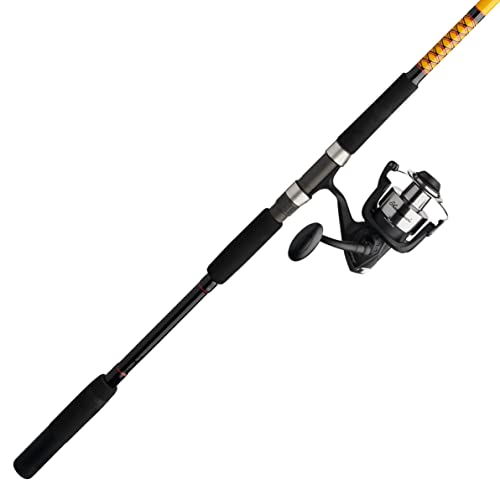
Length: 9–11 ft helps you cast past the breakers and reach cruising fish in the outer troughs.
Action: Heavy action for throwing weight and handling powerful runs.
Purpose-built: Surf rods are specialized—don’t cross them over for trolling or freshwater work.
Step 2 — Select a Reel Built for Saltwater
Size: 6000–8000 spinning reels are ideal.
Capacity: Spool 20–40 lb test for long casts and room for hard runs.
Durability: Choose corrosion-resistant builds—saltwater always wins long-term.
Pro tip: You’ll feel the biggest difference in the reel. Smooth drag and solid gears beat fancy paint every day.
What Beginners Usually Ask at the Tackle Counter
“Are rods all the same?” Not quite, but length and action matter most at the start. Many anglers pair a solid, affordable rod with a better reel as they progress.
“How nice should my first reel be?” Get something that will last seasons, not weeks. Big spools for line capacity and a drag that won’t chatter under load.
“Do I need two rods?” One is enough to learn. If you enjoy it, add a second so you can soak bait on one while working lures on the other.
Step 3 — Pick a Starter Combo
Grab a matched rod + reel combo to get on the beach faster. Start with a bundle below and upgrade as you learn.
Dialing in Your First Outing
Start with a rising or falling tide. Plant your rod holder in firm sand angled slightly toward the water. Cast beyond the first bar, set your drag just tight enough to keep from free-spooling, and watch the tip. If the current sweeps your rig, step up your sinker weight. If bait comes back untouched, move down the beach or switch baits.
And remember: distance helps, but presentation wins. Fresh bait, sharp hooks, and clean knots beat hero casts every time.
Know the Conditions Before You Go
If you’re fishing in the Port Aransas, Texas area, always check the latest Fishing Report. Wind direction and speed, wave height/period, and tide swings can make or break a surf session. A great combo won’t help much if the surf is blown out or the tide is dead low — plan smart, fish better. Check out our Tide-to-Bite tool for conditions for a current to 4-hour advanced look or other tools mentioned or linked on our site.
Step 4 — Don’t Forget the Essentials
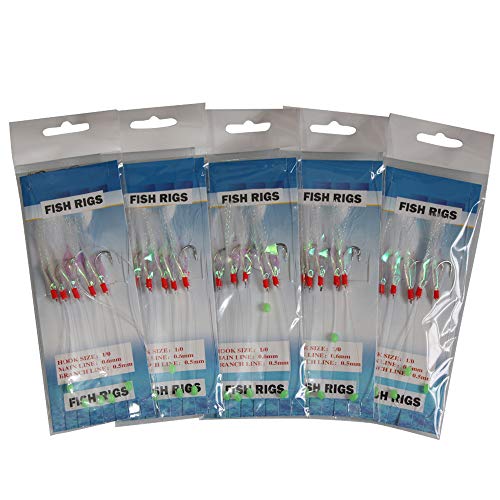
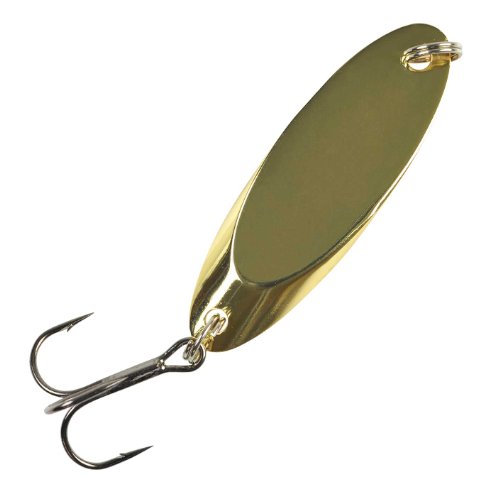
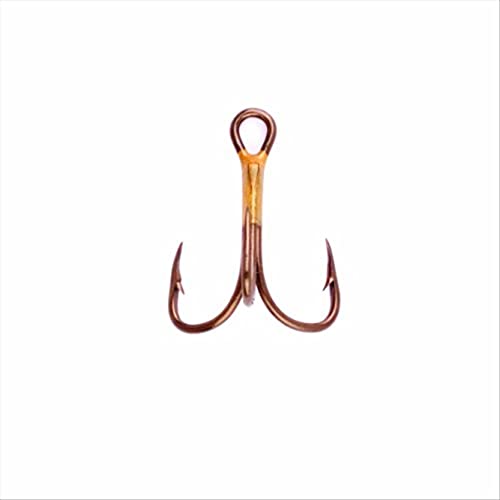
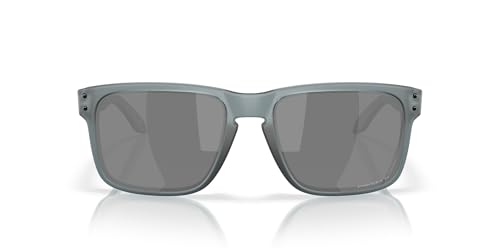
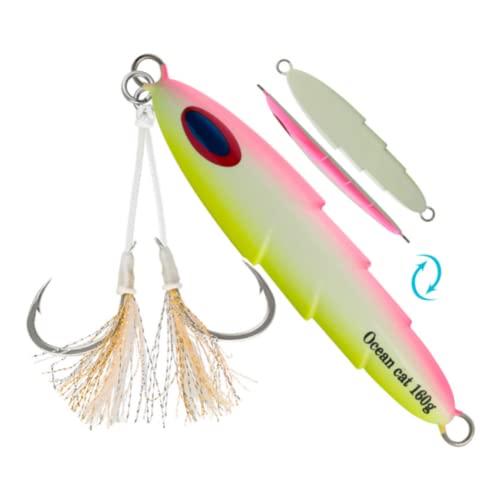
Round out your kit so you can fish confidently the moment you hit the beach.
First Catches & Good Memories
You’ll remember that first solid bend: maybe a pompano flashing in the wash, or a redfish digging for the bottom. It’s even better with family—hand the rod off when it loads and let them feel the run. That’s how you turn another beach day into a story worth retelling.
Step 5 — Get Out There and Fish!
With your gear ready, plant your rod holder, cast into the surf, and soak that bait. The Texas coast is full of opportunity—pompano, whiting, reds, and more. Tight lines!
Find Everything in One Place — and Support More Local Knowledge
Find many more saltwater fishing products in our Shop Gear section to fit your needs!
When you purchase through these links, you help fund more guides, tips, and on-the-beach testing for Texas coastal anglers.